
Recent updates to OMB Circular A-123 — the federal mandate for fighting fraud, waste and abuse — raises the bar for internal controls, with financial managers now facing even more detailed requirements for roles, frameworks, control management, reporting and more.
Compliance with these updates is not a BandAid fix or tick-box exercise for verifying a system of internal controls. It represents a sea change to a more comprehensive, preventative, risk-informed approach.
For many agencies, the revised OMB Circular A-123 may appear at first to add more process to an already complex compliance environment. But the real opportunity is to use A-123 as a catalyst for a stronger system of internal controls and therefore better risk governance. By connecting controls, evidence, analytics, and performance reporting, agencies can give executives a clearer view of where risk is increasing, where controls are under pressure, and where leadership attention is needed to protect mission outcomes.
Here’s why A-123 compliance is effort well spent, even for public sector audit teams outside of the federal government, along with practical tips to get started.
Internal control activities like risk assessments, reconciliations and separation of duties are essential for public sector organizations to maintain their stewardship of public funds and minimize fraud, waste and abuse. Monitoring ensures that these control systems are working properly and keeping pace with changes in the landscape.
To do their job efficiently and effectively, control monitoring methods must keep up with the times as well, especially new technologies. Here’s where A-123 pinpoints an urgent need for change.
Traditionally, the monitoring and testing of internal controls has been a manual, fragmented and often-times limited endeavor, which is risky business for public sector audit teams.
When reviews are limited to point-in-time evaluations and managed via disparate spreadsheets, a number of dangerous vulnerabilities emerge. Faulty controls remain unfixed. Recurring risks remain unchecked. Suspicious claims slip through the cracks.
As a result, annual assessments, and even interim reviews, take time away from other valuable work. Leaders may lack visibility into the full risk picture. There’s even the potential for benefits and services to go to the wrong people while eligible beneficiaries go without.
“When testing is manual, teams get stuck chasing paper and gathering evidence instead of understanding what’s actually working. Your controls may look good at any point in time when they’re tested, but without continuous visibility, you don’t really know what’s happening the rest of the year.” – Jason Venner, Director, Diligent.
All of these scenarios can compromise regulatory compliance, impact organizational effectiveness and, perhaps most importantly, affect public trust.
Continuous controls monitoring (CCM) transforms this picture for the better.
It provides visibility across space in time, expanding data collection across departments and programs and testing to 100% of transactions.
Exceptions are surfaced on an ongoing basis, not just during annual reviews, with a clear issues log and follow-up trail across reviews and programs.
The benefits are many, with A-123 compliance being front and center for federal financial managers audit teams. And the stakes high for getting it right.
“It is the responsibility of all Federal managers to effectively manage the internal control process to identify, prevent, reduce and eradicate risks,” the White House declares.
Stricter A-123 requirements, and oversight, affect state and local government and higher education, too.
Financial managers should prepare for increased attention on how they’re mitigating fraud risk. At the same time, those working with federal grants and contracts may face stronger demands for audit-ready evidence, along with more frequent audits, stricter monitoring of sub-recipients and terminations or claw-backs if milestones and requirements are not met.
Even though A-123 is written for federal agencies, leaders in state and local government or higher education can use in their own compliance work for internal controls, including the COSO framework, Standards for Internal Control in the Federal Government (the GAO Green Book) and any state-specific legislation.
Furthermore, A-123 guidelines are tailor-made for the challenges of all public sector financial management teams: limited staff capacity, sporadic visibility of risk, and time lost tracking issues and chasing evidence.
By making technology-powered CCM business as usual, A-123 compliance equips your team to answer key questions like the following:
By raising the bar on why a system of internal controls needs to be more efficient and effective, A-123 may provide the push many state, local and higher ed audit leaders need to move to modernized systems, like a centralized GRC platform enhanced with automation, AI and analytics.
In fact, updates to Circular A-123 are part of a broader trend, similar to what auditor professionals are seeing with more emphasis on analytics and technology use in updates to Generally Accepted Government Auditing Standards (GAGAS) and the IIA’s International Professional Practices Framework (IPPF).
With the revised OMB Circular A-123 increasing expectations for risk visibility, accountability, and efficient oversight, agencies need to move beyond periodic control reviews and toward a more connected model for continuous assurance.
A practical starting point includes:
With this foundation, public sector financial managers are equipped to bring technology into the equation — and their operations.
Delivered through one FedRAMP-authorized platform, Diligent’s public sector solutions keep programs A-123 compliant and audit‑ready:
Bring A-123 principles and modern CCM to your internal controls and audit programs. Schedule a demo of Diligent Internal Controls solution today.
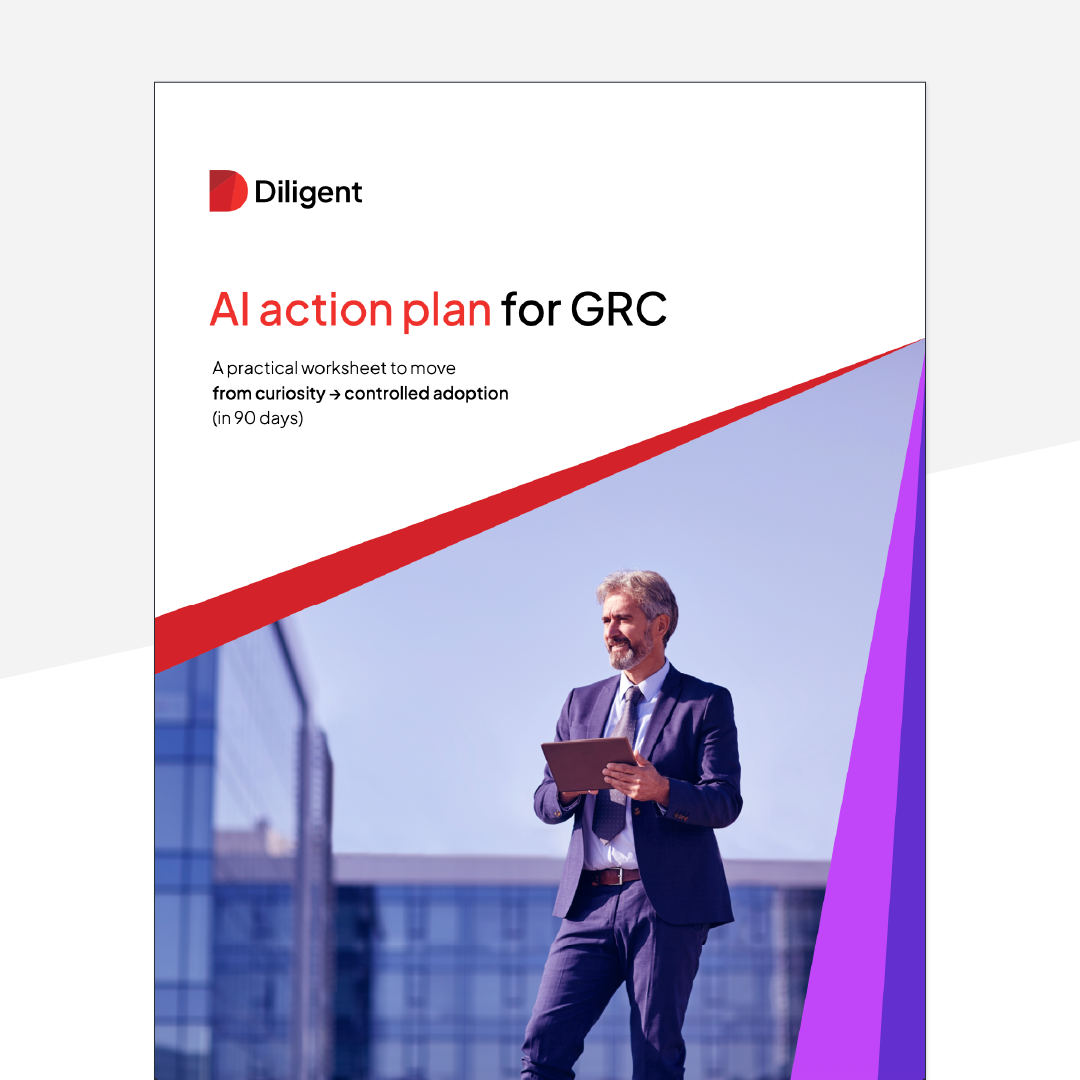
AI action plan worksheet for public sector GRC leaders
Download this essential AI action plan worksheet for public sector GRC leaders, designed to help you navigate the complexities of AI implementation in governance, risk, and compliance. This practical 90-day template guides you in setting clear goals, assessing AI maturity, prioritizing use cases, and establishing necessary oversight to ensure transparency and accountability. Take the first step towards a controlled and evidence-ready approach to AI in your organization.

From risk to readiness: 5 ways automation is transforming public sector audits

Discover how automation is revolutionizing public sector audits by streamlining workflows, reducing manual effort, and enhancing compliance. Learn five key ways technology empowers audit teams to maximize efficiency, uncover savings, and minimize risk, ultimately transforming the audit landscape for government agencies and higher education institutions.